Annual meeting requirements under DGCL § 211 (Delaware corporations)
Delaware corporations must hold an annual shareholders' meeting under DGCL § 211 at a time fixed by the bylaws or board. The meeting can be replaced by majority written consent under DGCL § 228, one of the more permissive consent regimes among US states and a key reason Delaware is the leading US incorporation jurisdiction.
| DGCL § 211 | Annual meeting required |
|---|---|
| DGCL § 228 | Action by written consent (majority sufficient) |
| DGCL § 222 | Notice of meeting |
| DGCL § 213 | Record date for voting |
| Deadline | 13 months from last annual meeting (default) |
| Written consent | Majority sufficient for most actions under § 228 |
- Annual meeting under DGCL § 211 at time fixed by bylaws or directors
- DGCL § 228 permits MAJORITY written consent (unique permissiveness vs many states)
- DGCL § 228 is one of Delaware's signature corporate-governance features
- Notice 10-60 days before the meeting under § 222
- Court-ordered meeting available under § 211(c) after 13 months from last meeting
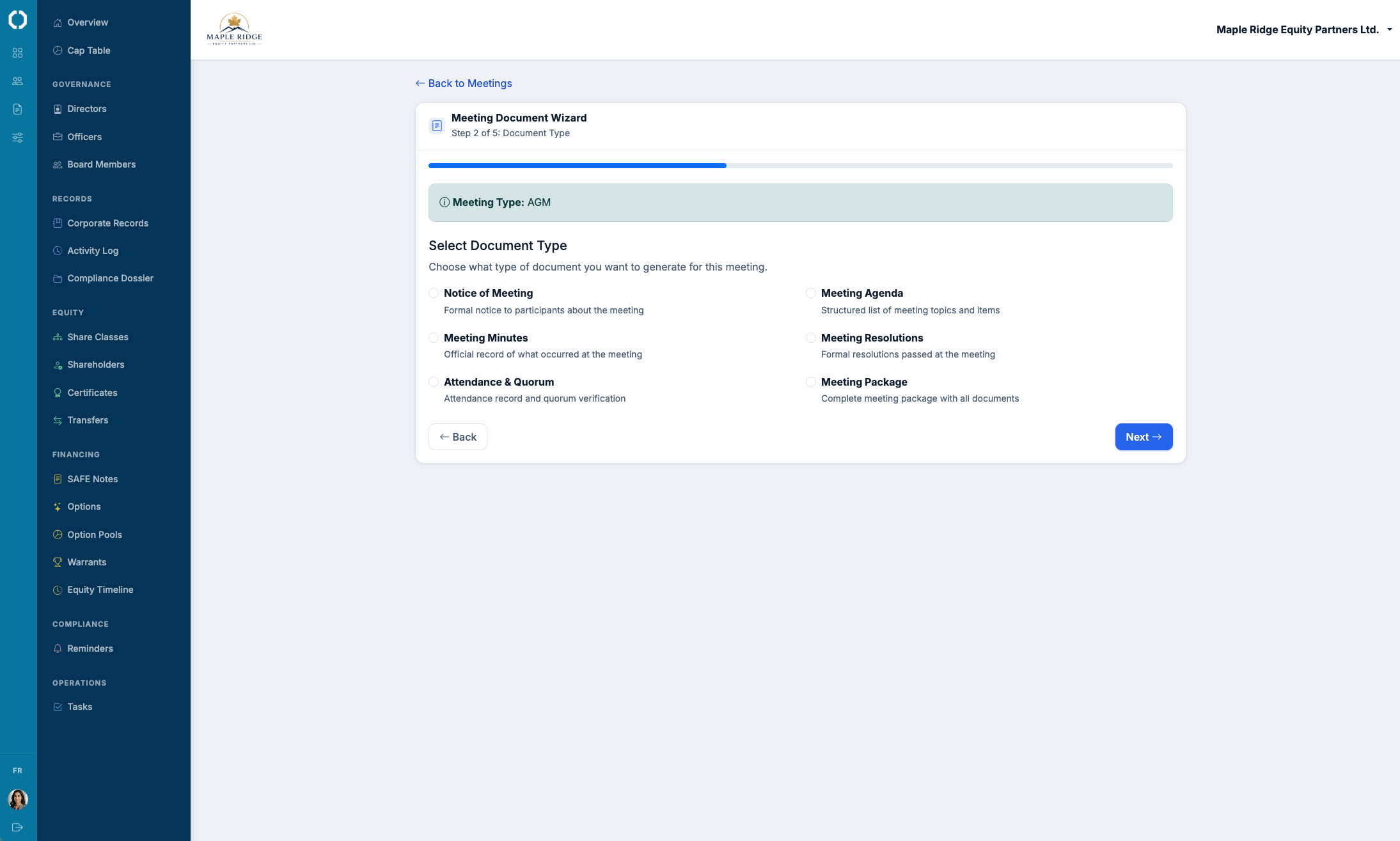
DGCL § 211 requirements
Section 211 of the Delaware General Corporation Law requires every Delaware corporation to hold an annual shareholders' meeting at a time fixed by the bylaws or designated by the board. The meeting elects directors and addresses other proper business. Delaware's framework is distinctly its own; the DGCL pre-dates the MBCA and reflects Delaware's particular policy choices.
Majority written consent under DGCL § 228
Section 228 is one of Delaware's signature corporate-governance features. Shareholders may take any action that could be taken at a meeting by written consent signed by holders of the minimum votes required at a meeting (typically majority). This is more permissive than most US states (which require unanimous consent), and it has implications for activist campaigns: an activist with majority support can take corporate action without convening a meeting and without giving notice to the minority. Many Delaware corporations include charter provisions prohibiting action by written consent (allowed under § 228(a)) to address this concern.
Court-ordered meeting under § 211(c)
If a Delaware corporation fails to hold an annual meeting for 13 months after the last one, any shareholder may apply to the Court of Chancery for an order requiring the meeting to be held. The Court of Chancery has broad authority to enforce § 211 and has done so frequently in contested corporations. The 13-month outside deadline is the practical drop-dead date.
What's distinctive about Delaware
The § 228 majority-consent option is Delaware's signature feature for annual meetings. For Delaware corporations that have not opted out via charter, a holder of majority voting power can effectively control the annual cycle through written consent without convening a meeting. This is one of several reasons Delaware is the preferred jurisdiction for publicly-traded corporations with concentrated ownership (founder-led corporations, late-stage venture-backed companies). The Court of Chancery's speed and expertise also means that contested-meeting issues resolve quickly compared to other US jurisdictions.
Octelligence generates the annual unanimous written consent or meeting minutes for every corporation, with director election, financial statement approval, and auditor appointment or waiver pre-formatted.
See Digital Corporate RecordsTracked deadlines, jurisdiction-specific templates, electronic written consents, and a complete minute book record.