Annual meeting requirements under NY BCL § 602
New York corporations must hold an annual shareholders' meeting under NY BCL § 602 at a time fixed by the bylaws. The meeting can be replaced by written consent under NY BCL § 615, but New York's consent regime has specific exceptions for director elections in some corporations.
| NY BCL § 602 | Annual meeting required |
|---|---|
| NY BCL § 615 | Action by written consent |
| NY BCL § 605 | Notice of meeting |
| NY BCL § 612 | Voting |
| Deadline | Each year as fixed by bylaws |
| Written consent | Generally majority; unanimous for some director elections |
- Annual meeting under NY BCL § 602 at time fixed by bylaws
- Written consent under NY BCL § 615 generally permits majority consent
- Director elections at annual meeting may require unanimous consent for some corporations
- Notice 10-60 days before the meeting under § 605
- Court-ordered meeting available under NY BCL § 603
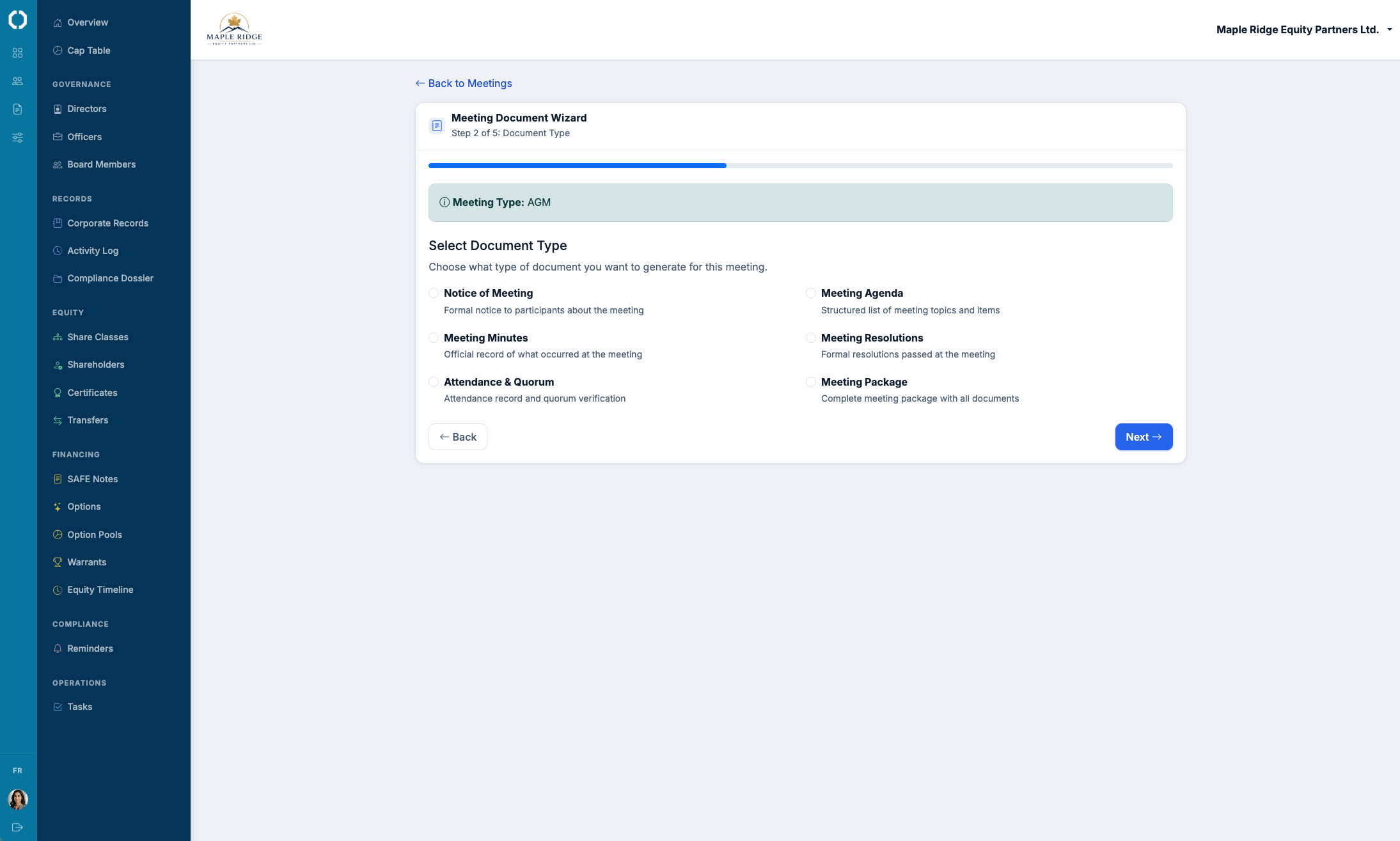
NY BCL § 602 requirements
Section 602 of the New York Business Corporation Law requires every NY corporation to hold an annual shareholders' meeting at a time fixed by the bylaws. The meeting elects directors and addresses other proper business.
Written consent under NY BCL § 615
New York's consent regime under § 615 generally permits action by written consent signed by holders of the minimum votes required at a meeting (typically majority). For director elections at the annual meeting, the consent requirements depend on the specific corporate structure and the bylaws. Some NY corporations require unanimous consent for director elections by virtue of charter or bylaw provisions, which is more restrictive than the default § 615 majority approach.
Court-ordered meeting under § 603
If a NY corporation fails to hold an annual meeting within 13 months after the previous one, any shareholder may apply to the NY supreme court for an order requiring the meeting. This 13-month outside deadline parallels Delaware's § 211(c).
What's distinctive about New York
New York's annual-meeting framework is largely consistent with general US corporate-law principles, with majority-consent flexibility for most actions. The biennial Department of State Statement is procedurally separate from the annual meeting and does not interact with the meeting cycle. NY's separate franchise-tax obligations (with the Department of Taxation) operate on a different calendar from the annual meeting, so corporations need to track both the meeting cycle and the tax cycle independently.
Octelligence generates the annual unanimous written consent or meeting minutes for every corporation, with director election, financial statement approval, and auditor appointment or waiver pre-formatted.
See Digital Corporate RecordsTracked deadlines, jurisdiction-specific templates, electronic written consents, and a complete minute book record.