Annual meeting requirements in Maryland (MGCL)
Maryland corporations must hold an annual stockholders' meeting under Md. Code, Corps. & Ass'ns § 2-501. Maryland's stockholder-meeting framework includes distinctive provisions for REITs, but for non-REIT corporations the standard MBCA-influenced rules apply.
| Md. Code, Corps. & Ass'ns § 2-501 | Annual meeting required |
|---|---|
| Md. Code, Corps. & Ass'ns § 2-505 | Action by stockholders without meeting |
| Md. Code, Corps. & Ass'ns § 2-504 | Notice of meeting |
| Md. Code, Corps. & Ass'ns § 2-507 | Voting |
| Deadline | Each year (specific date set by bylaws) |
| Written consent | Unanimous required (Maryland is restrictive) |
- Annual stockholders' meeting under Md. Code § 2-501
- Maryland uses 'stockholders' and 'charter' rather than 'shareholders' and 'articles'
- Written consent under § 2-505 generally requires UNANIMOUS consent
- Maryland is the leading US jurisdiction for REITs; specific REIT meeting rules apply
- Notice 10-90 days before the meeting (broader than typical MBCA 60-day max)
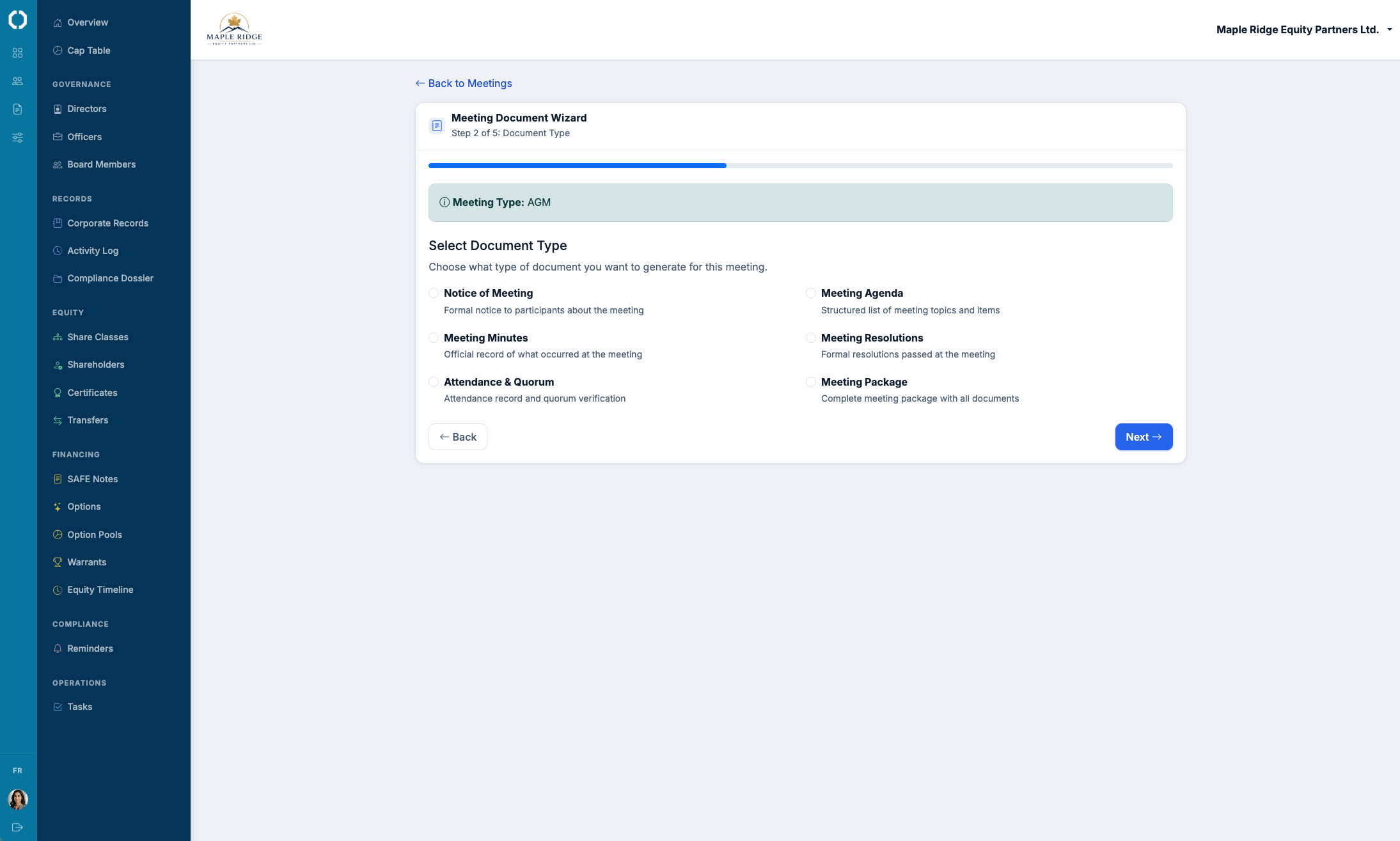
Md. Code § 2-501 requirements
Section 2-501 of the Maryland Corporations and Associations Code requires every Maryland corporation to hold an annual stockholders' meeting. Maryland uses “stockholders” (rather than “shareholders”) and “charter” (rather than “articles”), reflecting older corporate-law terminology. The meeting elects directors and addresses other proper business.
Unanimous written consent under § 2-505
Maryland's consent regime is more restrictive than many states. Under § 2-505, action by written consent generally requires unanimous consent of all stockholders entitled to vote, with limited exceptions for specific actions. This is more rigid than Delaware (§ 228 majority) and aligns with the older corporate-law tradition that Maryland maintains.
REIT-specific considerations
Maryland is the leading US jurisdiction for REIT incorporations. The Maryland REIT Law (Title 8) includes specific provisions for REIT stockholder meetings, including extended notice periods and specific quorum rules adapted to the typically dispersed REIT shareholder base. For REIT corporations, the annual-meeting framework under § 2-501 still applies, but layered with the REIT-specific provisions.
What's distinctive about Maryland
Three features make Maryland distinctive. First, the terminology (stockholders, charter) reflects older corporate-law tradition and affects record-keeping conventions. Second, the unanimous-consent requirement under § 2-505 is more restrictive than Delaware-style majority-consent states. Third, the REIT-specific provisions affect the annual-meeting framework for REIT corporations. For non-REIT private corporations, Maryland's high annual fees and restrictive consent regime make it a relatively expensive jurisdiction for ongoing maintenance.
Octelligence generates the annual unanimous written consent or meeting minutes for every corporation.
See Digital Corporate RecordsTracked deadlines, jurisdiction-specific templates, electronic written consents.